1. Hazards in the correction solution
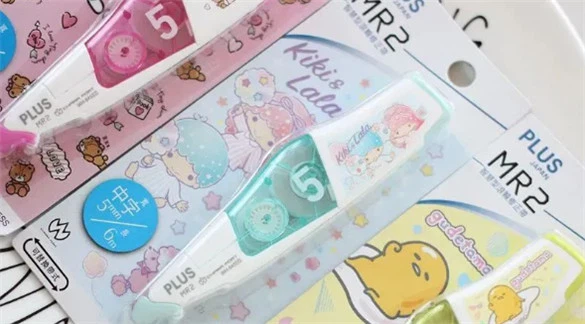
First look at the correction solution that once made consumers very uneasy because of benzene. The Japanese standard JIS 6055:2013 "Correction Solution" and the Chinese industry standard QB/T 2655-2020 "Correction Solution" both stipulate the use restrictions of relevant organic solvents, but the types of restrictions are different.
JIS S 6055:2013 standard stipulates that the materials in the correction solution shall not contain organic solvents such as chlorobenzene, nitrobenzene, formamide, N, N-dimethylformamide, toluene, methanol and ethyl acetate. The Correction Solution (QB/T 2655-2020) specifies the limits of organic solvents such as benzene, chlorinated hydrocarbons, toluene, ethylbenzene and xylene in the correction solution. The toxic solvents restricted in the two standards may damage the nerve or blood system, but the difference between the two limits reflects the difference between different countries in understanding and controlling the risk factors in the quality and safety of correction solution.
It should be noted that QB/T 2655-2020 Correction Fluid stipulates that the safety of correction fluid pen sleeve shall comply with the provisions of GB 21027. If a pen cap with no vent and less than 16mm in size is swallowed by a child, it will get stuck in the esophagus, causing life danger such as asphyxia and choking. Previously, this project only focused on pen caps. This revision will also bring the upper cover of the correction solution into control, which further improved our standards.
Warm reminder:
When selecting and purchasing the correction solution, do not purchase the one with pungent smell, and try not to buy the correction solution with small pen cap and no air vent. Select the correction solution marked with environmental protection and in line with the product standard.
2. Light fastness of ink
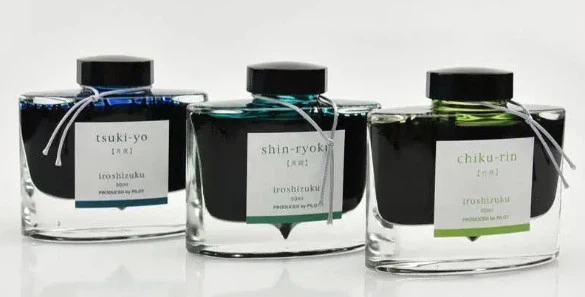
Have you ever encountered the situation that the words written with colored ink pens are "missing" after a period of time? This is because some color components of colored ink will react with light and become colorless other substances after reaction.
We should pay attention to the selection and use of such pens, and how to select neutral pens that will not fade. First, let's understand the differences between domestic and foreign standards.
The test method for the light fastness of neutral pen in the national standard GB/T 37853-2019 Neutral Ink Ballpoint Pens and Pen Cores is to expose the pen to ultraviolet light for 72 hours, and the stitches are required to remain visible. While JIS S6061:2010 of Japan and ISO 27668-1:2017 Neutral Ink Ballpoint Pens and Pen Cores are xenon lamp irradiation tests. When the reference blue wool standard sample of a test is exposed to the sun to the specified level, check whether the writing lines are visible. In other countries and regions, except for the UK, South Africa and other countries that adopt the ISO 27668-1 standard, there are few requirements for the light fastness of ink pens.
Warm reminder
If consumers write documents that need to be saved for a long time, they should pay attention to whether the products are marked with preservation performance or meet the above standards. If it is impossible to distinguish, try to avoid selecting dye ink with bright color and a little transparency