Wet wipes and chalk are two very different writing instruments. Their core differences lie their writing principles, compatible substrates, erasure methods, and usage scenarios. They differ particularly in cleanliness, convenience and environmental adaptability. A clear distinction can be made in five key areas:
I. Core Definition and writing principles
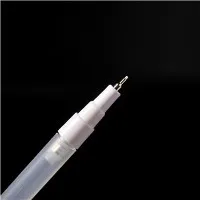
Wet wipes are known as "liquid ink pens." They contain water-based or specially formulated ink. The tip of the pen (hard or soft) deposits the ink evenly on smooth surfaces (such as enamel plates, glass and dedicated wet-erase whiteboards). Erasing marks require a wet cloth or sponge, not a dry erasing. Ink once dry, strong adhesion, not easy to be accidentally removed.
Chalk is considered "solid chalk." Its main components are calcium carbonate, calcium sulfate. The powder sticks to a rough surface,such as a blackboard, through friction between the pen and the surface, creating a mark. Erasing marks can be done directly with a dry eraser, but chalk dust can form during wiping and can easily be blown away or accidental rubbing away. ii. Comparison of main differences (table showing significant differences)
Comparison Dimensions: Wet-Erase Pens vs. Chalk Pens
Suitable Substrates: smooth, non-blotting surface (dedicated wet-erase whiteboards, enamel board, glass, smooth plastic board) rough, blotting surface (traditional blackboard, matte board, cement wall)
Erasing Method: Wipe with a damp cloth/sponge. dry wiping will not work. There was no powder residue. Wipe directly with a dry eraser will produce a large amount of chalk dust, easy to create fine powder residue.
Writing experience: smooth tip, ink flow, clear handwriting, bright colors (mostly in color), dust-free. Writing requires a lot of effort (relying on friction to release powder), which can easily lead to interruptions and monochrome (mostly white/colored chalk). Chalk stains hands easily.
Cleanliness and Environmental Protection: no dust, wipe with dry cloth to dry the substrate can be. Easy to clean and suitable for dust-free environment. Large amounts of chalk dust can cause respiratory irritation, contaminate floors/floors, require frequent cleaning, and are cleaning costs.
Durability: Pens can last a long time (until you run out of ink), and the tips don't wear out easily, but can break easily (especially if you write hard). Chalk can be written over a limited distance and quickly wears off.
III. Major differences in Application Scenarios
1. Core apps for Wet-Erase Pens
Dust-free environment: e.g. kindergarten classrooms, children's drawing areas (to prevent children from inhaling dust), laboratories (to prevent dust contamination of laboratory equipment) and hospital clinics (to keep the environment clean).
Long-term preservation needs: office bulletin boards, workshop equipment signs (writing is not easily erased by accident; corrections are easily erased by wet cloth), home message boards (coloring writing is more visible and easier to clean).
Smooth substrates: for example, glass windows and transparent display panels (temporary slogans can be erased without marking), as well as dedicated wet erase boards (modern alternatives to traditional blackboards).
2. Core application of Chalk Pens: Traditional teaching environments: e.g., traditional blackboard classrooms in primary and secondary schools (cheap, accessible, suitable for large-scale teaching), temporary teaching locations in training institutions (no special wipe substrate, cost control). Rough substrate requirements: For example, outdoor blackboards and concrete wall graffiti (relying on powders attached to rough surfaces that wet wipes can't reliably write on).
Low-cost solution: for temporary marking and rough calculations (each chalk is extremely cheap, with a low replacement cost after wear and tear, and no need to worry about wasting ink).
IV. INTRODUCTION Key considerations in procurement
Consider the environment: If "dust-free and clean" (such as children's rooms, hospitals and laboratories) is required, it is best to use a wet wipe pen. If you use a traditional blackboard and have a limited budget, choose chalk.
Consider the type of substrate: Smooth substrates (such as glass and wet-erase whiteboards) can only be used with wet wipes; rough substrates (such as traditional chalkboards) can only be used with chalk because wet wipes don't stick to rough surfaces.
Consider frequency: For long-term, high-frequency writing (such as daily teaching and bulletin updates), opt for a wet brush (durable and easy to clean). For temporary, low-frequency writing (such as impromptu drafts and outdoor blackboards), opt for chalk (low cost). In short, wet wipe marker is the primary cleaning and convenient "dust remover"; chalk is the primary low-cost "traditional tool" for rough carriers. There are no absolute advantages or disadvantages. The key is to choose according to the environment and needs of usage.

What Is The Difference Between Wet Erase Markers And Chalk Markers?
Dec 01, 2025




Send Inquiry
Latest News